A galloping, insistent poem about a mysterious rider who thunders past on stormy nights. The repeated "gallop and gallop" makes it wonderful to read aloud, though its night-time mystery has a touch of the eerie about it.
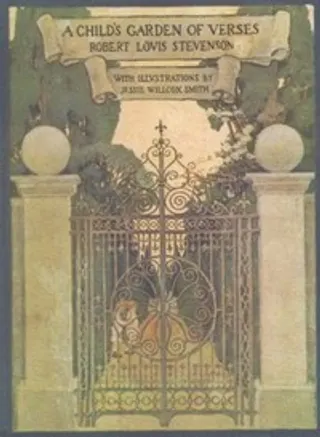
From A Child's Garden of Verses. See the whole collection.
Whenever the moon and stars are set,
Whenever the wind is high,
All night long in the dark and wet,
A man goes riding by.
Late in the night when the fires are out,
Why does he gallop and gallop about?
Whenever the trees are crying aloud,
And ships are tossed at sea,
By, on the highway, low and loud,
By at the gallop goes he.
By at the gallop he goes, and then
By he comes back at the gallop again.
About this poem
Poem never names the rider; he is only ever 'a man' who 'goes riding by' when the wind is high.
"Windy Nights" is Stevenson at his most atmospheric: a horseman galloping past in the dark whenever the wind gets up, gone before anyone can properly see him. The poem never says who he is. Most children reading it decide he's really just the wind.
Read it on an actually windy night for the full effect.
Public domain. Text from A Child's Garden of Verses (Robert Louis Stevenson, 1885), via Project Gutenberg. View the source edition